
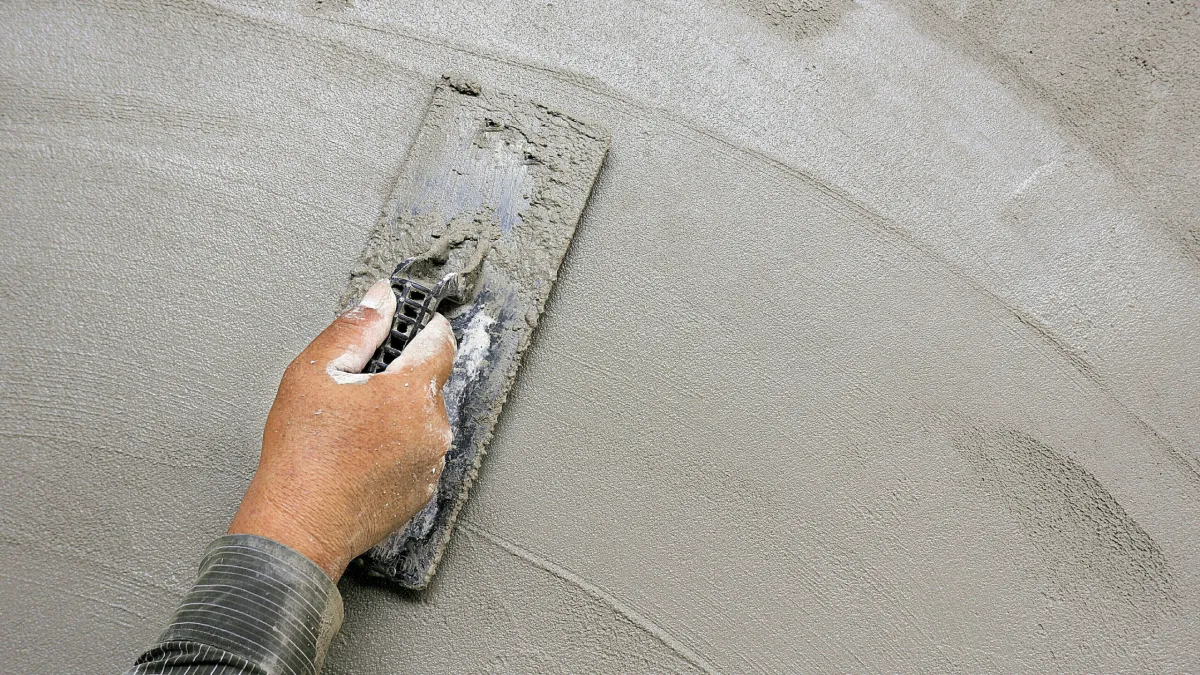
Most Auckland renovations involve plastering and painting at some point. Many homeowners hire separate people for each. Makes sense on paper. But splitting the work between two contractors often leads to delays, blame games, and results that don’t quite match up. So, is one team the smarter move? Here’s what to weigh before you commit to either approach.
Why Homeowners Often Split the Job
Plastering and painting feel like different trades. Technically, they are. One is about getting walls smooth, filled, and properly finished. The other is about colours, protection, and the final look that ties a room together.
So naturally, many homeowners hire a plasterer first, let everything cure, then bring in painters in Auckland a few weeks later. It’s how renovations have always been done around here.
But here’s the catch. Gaps between trades create room for miscommunication.
Your plasterer wraps up and leaves. Your painter arrives, takes one look at the surfaces, and decides they’re not prepped well enough. Now somebody has to go back and redo the work.
That eats into your budget and pushes the timeline out further than anyone planned.
What One Team Brings to the Table
When a single crew handles both plastering and painting, everything runs more tightly. No back-and-forth between contractors. There is no need to wait for someone else’s schedule. There are no awkward phone calls trying to figure out who dropped the ball.
A combined team gets how these two trades connect.
They know which plaster finishes pair best with certain paints. They understand curing times down to the day. That kind of knowledge just vanishes when two separate groups are working in isolation.
Here’s what a combined team typically delivers:
- One point of contact for scheduling, updates, and any concerns
- Better surface preparation because the plasterers already know the painters’ standards
- Fewer delays with no gap between trades
- Consistent quality from the first skim coat to the final brush stroke
- Simpler quoting with one estimate covering the whole job
For homeowners juggling work, kids, and a renovation that’s already disrupting daily life, that simplicity is worth more than you’d expect.
You’re not chasing two different people for updates or playing calendar Tetris to line up availability.
What Can Go Wrong With Separate Contractors
Hiring two teams doesn’t always end badly. But when things go sideways, they tend to follow a familiar pattern.
| Issue | Separate Teams | One Combined Team |
|---|---|---|
| Scheduling | Each team runs its own calendar, causing gaps | One schedule, one workflow |
| Accountability | Blame shifts between trades when defects show up | One team owns the full result |
| Surface Prep | The plasterer may not know the painter’s expectations | The team aligns on prep from day one |
| Communication | Homeowner plays middleman | Direct and streamlined |
| Project Timeline | Longer due to gaps between trades | Shorter with back-to-back stages |
Most people are unprepared for the accountability aspect.
Paint starts peeling after six months, and your painter points at the plaster. Your plasterer says the paint went on too early. You’re stuck refereeing a dispute with no clear answer.
With one team, that argument simply doesn’t exist.
When Separate Teams Might Make Sense
That said, splitting the work isn’t always a bad call.
If you’ve got a plasterer you trust, someone who’s done solid work on your place before, keep using them. The same goes for specialist finishes like Venetian plaster or detailed textured coatings that need a dedicated hand.
Small patch jobs are another example.
For example, do you need to repair a crack in one room and touch up the paint around it? You probably don’t need a full combined service for that. It’s simple enough to coordinate on your own.
How to Choose the Right Team
Auckland’s climate poses significant challenges for any plastering and painting project. Humidity, coastal salt air, and unpredictable rain all mess with drying times, paint adhesion, and how quickly plaster cures.
The team you choose should have a thorough understanding of these conditions.
When you’re sizing someone up, ask these questions:
- Do they handle both plastering and painting in-house, or subcontract one trade out?
- Can they show finished projects where they did both?
- Do they offer a single warranty covering plaster and paint together?
- Are they familiar with how Auckland’s weather affects material choices and scheduling?
A team that answers confidently is worth your time.
One that hedges or deflects probably isn’t the right fit for a project where both trades need to work hand in hand.
Making the Right Call for Your Home
Hiring one team won’t suit every situation. But for most Auckland renovations, it removes unnecessary friction, tightens the timeline, and gives you a single crew to hold accountable.
The finish tends to look better, too, because there’s no disconnect between surface prep and that final coat.
Before reaching out, consider whether consistency and convenience are more important to you than maintaining separate trades. For most homeowners knee-deep in a renovation, the answer becomes obvious pretty quickly.


Comments are closed.