
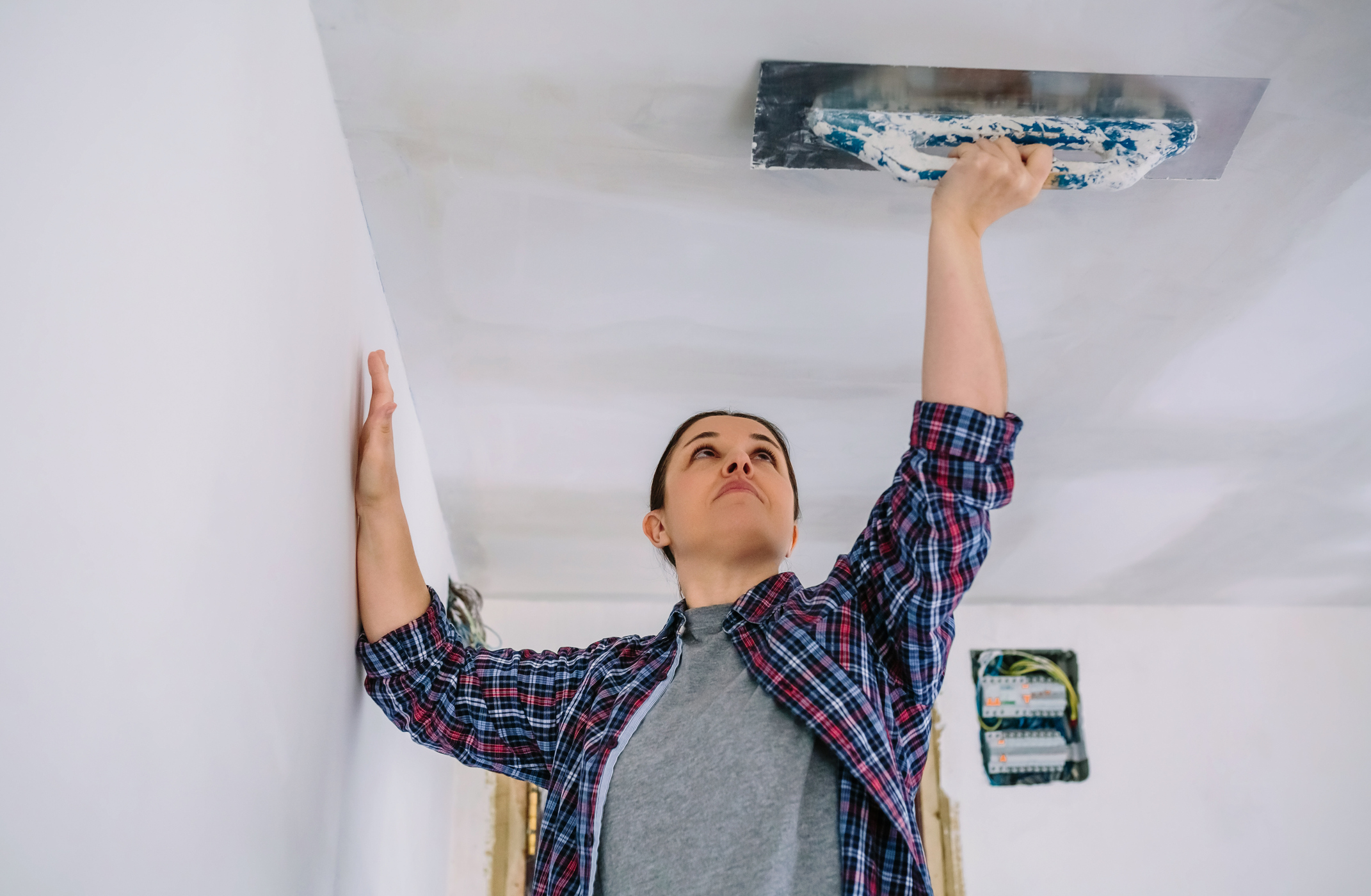
Ceiling patches and cracks have a way of making a room feel neglected. Plastering a ceiling yourself is genuinely achievable with the right setup and a few basic safety precautions. In this context, let’s discuss the tools you need and the step-by-step guide to plastering your wall yourself.
Tools and Materials Needed
Getting the right gear ready before you start saves a lot of frustration mid-job. For anyone attempting DIY ceiling plastering in Auckland, having everything on hand before you begin is half the battle. If you’re unsure about the scope of your project, it helps to first look at what interior plastering in Auckland typically involves so you can plan accordingly.
Essential Tools
A plastering trowel is your primary tool throughout the job. You’ll also need a hawk to hold the plaster while you work, a jointing knife for edges and smoothing, sanding tools for the finished surface, and a mixing bucket with a mixing stick. Having the right tools ready from the start makes every stage considerably easier.
Materials
Pick up a ceiling-grade plaster mix, a bonding primer, scrim tape for covering joins and cracks, and joint compound if you’re working over existing surfaces. Ceiling-specific plasters resist sagging during application. Using wall plaster on a ceiling is a common beginner mistake, and it becomes obvious quickly once the material starts to pull away mid-application.
Preparing Your Ceiling
Lay protective sheets over floors and furniture first. Remove any loose plaster or flaking paint, then wipe the surface down with a damp cloth to clear dust. Run masking tape along the cornice line to keep your edges clean throughout the job.
Step-by-Step Plastering Process
How to plaster a ceiling cleanly comes down to three stages: mixing, applying, and finishing. Each step matters on its own. Skipping or rushing any one of them tends to show up as cracks or uneven patches once the plaster sets.
Mixing the Plaster
Pour cold water into the mixing bucket first, then add the plaster powder gradually. Use a mixing stick to stir until you reach the desired consistency, roughly like thick yoghurt. Only prepare what you can use in about 20 minutes. Plaster stiffens quickly once it activates, and working with thickened material affects how reliably it bonds to the ceiling surface.
Applying the First Coat
Load your hawk and transfer plaster to the trowel. Hold the trowel at a slight angle and push the material across the surface in smooth, overlapping strokes. Work in sections that are roughly one square metre. Use a jointing knife to feather the edges and keep the surface level. A thin layer bonds more reliably than a thick first coat.
Second Coat and Finishing
Once the first coat has firmed up (around 45 to 60 minutes), apply the second coat using the same approach. This pass focuses on levelling trowel marks and ridges in the first layer. Once the surface is completely dry, sand it lightly with a fine-grit block. A jointing knife can take down any raised spots before you begin sanding.
Tips for a Professional Finish
Drying time is where most people go wrong. Allow each coat to fully set before moving to the next, and sand in circular motions to avoid leaving directional drag marks. Always apply a primer coat before painting once the plaster has cured.
A few common mistakes worth watching for:
- Skipping primer before plastering. The surface absorbs moisture unevenly, which leads to patchy adhesion and visible weak spots.
- Using a mixing bucket with dried residue. Old material contaminating the new mix creates lumps that are difficult to smooth out once the mix is applied.
- Pressing too hard with the jointing knife. It drags the plaster instead of smoothing it, and those ridges harden before you notice them.
- Leaving joints without scrim tape. Seam cracks are almost inevitable without it, often appearing within a few months.
When to Call Professionals
Some jobs go beyond what DIY can handle safely. Water damage needs to be treated before any plaster goes on; otherwise, the problem keeps returning. Large surface areas, unusual ceiling shapes, and structural cracks carry a margin for error that’s difficult to manage without experience. Auckland plastering services are the better call in those situations, and getting a professional assessment costs little compared to redoing the whole job.
Frequently Asked Questions
How long does it take for the plaster to dry?
Surface drying takes one to two hours, but full curing for DIY ceiling plastering in Auckland conditions typically requires 24 hours before painting.
What is the best plaster for ceilings?
Ceiling-grade plaster mixes are formulated to resist sagging during application. Products from brands like Gib or Rockcote are widely available at hardware stores across NZ.
How do I avoid cracks in ceiling plaster?
Use scrim tape at all joins, apply thin layers, and don’t rush the drying time between coats. Those three habits address most of the common causes when plastering a ceiling.
Can I paint immediately after plastering?
No. Wait at least 24 hours, then prime the surface. Painting directly on fresh plaster causes peeling and uneven colour uptake.
Final Thoughts
Getting a smooth ceiling finish takes more patience than skill. Prep the surface properly, respect the drying times, and have your plastering tools in NZ ready before you start, rather than gathering them mid-job. If the job turns out to be more involved than expected, professional help is always worth the call.


Comments are closed.