
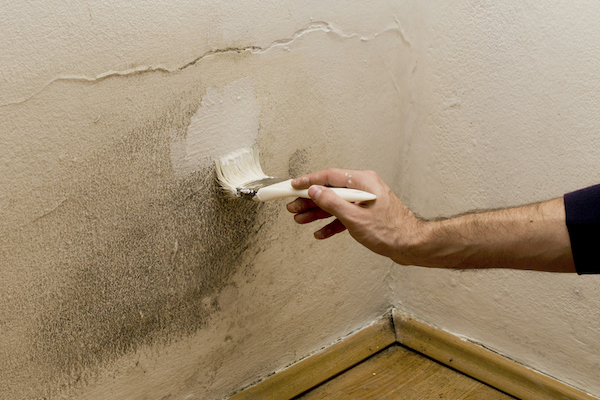
Your bathroom ceiling has a dark spot that’s been there for a while, and you’re considering using a paint roller to hide it because it seems like the easiest solution. However, the truth is that it rarely is.
Painting over mould without treating it first almost always leads to the same result: the mould returns, often worse, and the fresh paint job is ruined within months.
The Hidden Dangers of Painting Directly Over Active Mould
Understanding why this particular shortcut fails helps explain why proper treatment matters so much before any paint goes near an affected wall or ceiling.
Understanding Moisture Traps, Peeling Paint, and Health Risks
Working with house painters in North Shore, Auckland, early on ensures that mould is treated properly, as paint applied over active spores simply traps moisture beneath the surface.
Peeling and bubbling paint usually follows within weeks, as trapped moisture pushes against the new layer from below. Health risks also linger, since spores stay alive underneath.
For households with allergies, asthma, or young children, this trapped mould can continue to affect indoor air quality long after the wall looks clean on the surface.
Professional Remediation and Surface Decontamination Protocols
While proper treatment isn’t complicated, it does need to happen in the right order to actually solve the problem rather than hide it temporarily.
Antimicrobial Cleaning Agents vs Standard Bleach Solutions
Household bleach kills surface mould but doesn’t reach the roots that grow into porous materials like drywall, so regrowth is common within a few months.
Mould treatment before painting in Auckland typically involves antimicrobial cleaning agents specifically designed to penetrate deeper into the surface and address the root of the growth.
Scraping, Sanding, and Drying Substrates Prior to Paint Coating Application
Damaged or heavily affected areas often need scraping and sanding back to a clean, sound surface before any treatment or paint can be effective.
The surface then needs to dry completely, sometimes over several days, before moving on to priming and painting. Rushing this step undoes the earlier treatment work.
Skipping this drying window is one of the most common mistakes homeowners make when trying to speed up a repaint. Even a day or two of impatience here can undo the entire treatment process and bring the mould straight back.
Selecting Speciality Primers and Anti-Mould Paint Systems
An anti-fungal primer in NZ conditions creates a sealed barrier that resists future moisture and mould growth far better than standard undercoat products.
Pairing this primer with a mould-resistant topcoat gives the best long-term protection, particularly in bathrooms, laundries, and other consistently damp areas of the home.
Step-by-Step Remediation Sequence Before Painting Wet Areas
Interior wall mould eradication follows a fairly consistent sequence, regardless of the room, though timing may vary depending on the extent of the damage.
- Clean the affected area with an antimicrobial solution
- Scrape away any peeling or damaged paint
- Sand the surface back to a clean, even base
- Allow the wall to dry fully, ideally over several days
- Apply a speciality antifungal primer
- Finish with a mould-resistant topcoat suited to the room
Professional painter damp control also involves checking for the underlying moisture source since treating the wall alone won’t help if ventilation or leaks caused the problem originally.
Getting Ahead of Mould Before It Comes Back
Mould has a way of returning quietly if the real cause never gets addressed, so it’s worth treating this as a whole-room fix rather than a quick cosmetic patch. Sorting ventilation, drying time, and proper primer now saves you from redoing the same wall again next winter. A bit of care at this stage protects both your walls and your peace of mind for years to come.
Frequently Asked Questions
Why is household bleach ineffective for deep porous drywall mould removal?
Bleach only kills surface spores and doesn't penetrate porous materials like drywall, leaving the roots intact and allowing the mould to regrow fairly quickly.
How long should a wall dry after mould treatment before applying primer?
Drying time varies, but most surfaces need at least 24 to 48 hours, sometimes longer in humid conditions, before primer should be applied.
Do mould-resistant paints completely prevent future fungal growth?
No, they significantly reduce the risk but won't prevent mould entirely if underlying moisture or ventilation issues in the room remain unresolved.
What underlying ventilation issues cause persistent ceiling mould in Auckland?
Poor extraction in bathrooms, blocked vents, and general humidity buildup are common causes, particularly in older Auckland homes with limited airflow.
If you're dealing with a recurring mould problem and want it handled properly from the walls out, house painters in North Shore, Auckland, can help identify the cause and treat it at the source.


Comments are closed.